Seamless Transitions: Designing Multi-Generational Living Spaces Apr 22, 2026
Designing for multi-generational living involves careful consideration of space planning, comfort, and accessibility. The key is to create a home that upholds privacy while promoting connectedness. It's essential to strike the perfect balance between shared communal areas and personal spaces.
One of the first steps in designing a multi-generational home is to assess the needs of each generation involved. This may include creating accessible spaces for elderly family members, such as wider doorways for wheelchairs, installing grab bars in bathrooms, and choosing non-slip flooring materials. Simultaneously, consider younger family members, who may require play areas or study spaces.
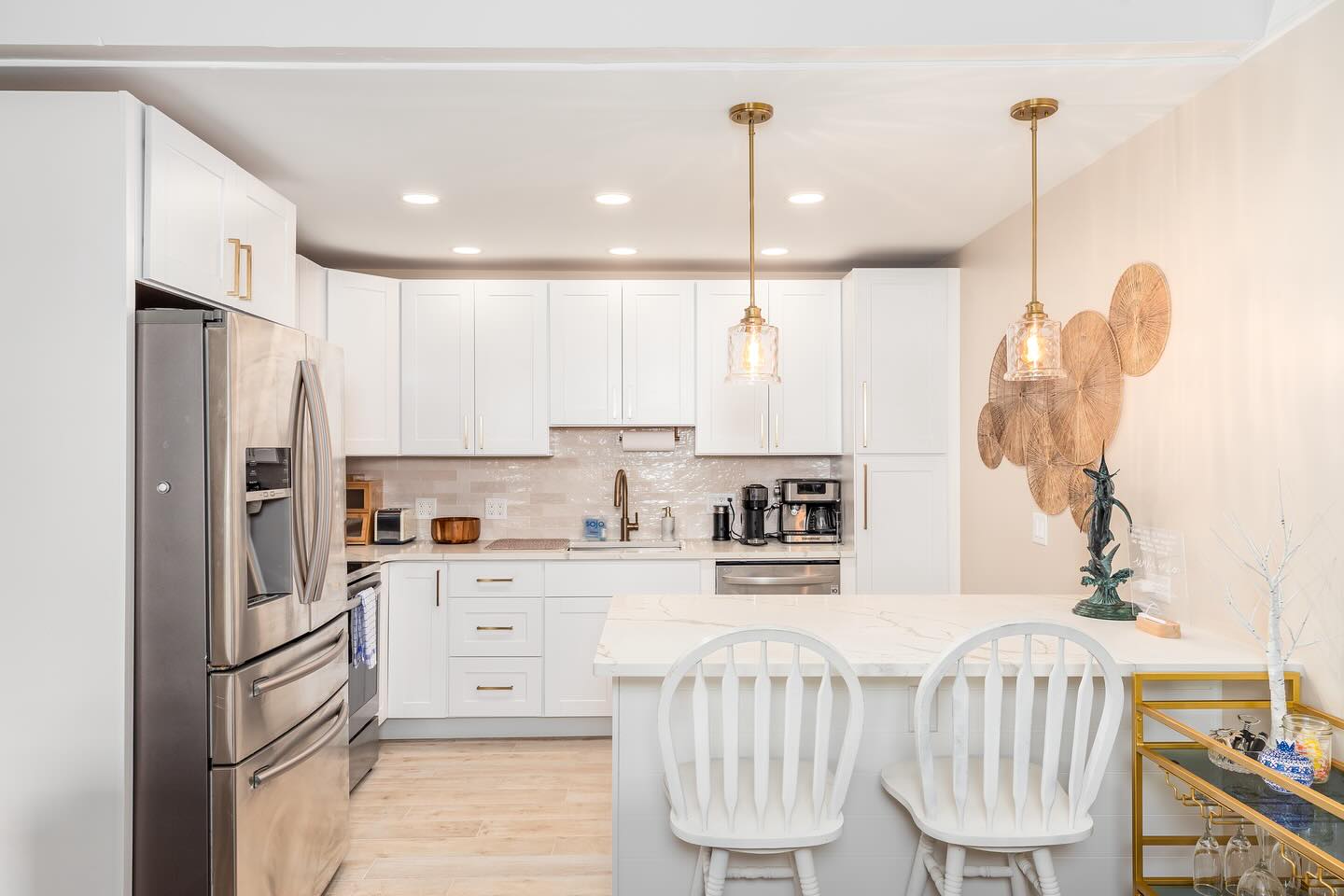
Open-plan layouts are ideal for multi-generational homes, as they encourage interaction and inclusivity. Removing unnecessary walls can transform individual rooms into expansive communal areas, fostering a sense of togetherness. Large kitchen and living areas serve as the heart of the home, providing spots where all family members can gather.
It is also crucial to incorporate adaptability into the design. Future-proofing spaces ensures that the home remains functional as the needs of its occupants change. Convertible rooms, for example, can serve as guest bedrooms, offices, or playrooms, depending on the family's requirements. Installing adjustable lighting, easy-to-reach outlets, and smart home technology can enhance comfort and convenience for everyone.
Privacy is just as vital as shared spaces. Privacy can be achieved by incorporating design elements like soundproofing, separate living quarters such as in-law suites, or dual living zones where possible. These spaces allow family members to retreat and enjoy personal time without disrupting others.
Outdoor spaces also play a significant role in creating a harmonious multi-generational home. Gardens or patios can serve as an additional gathering place, offering fresh air and a change of scenery. Ensure these areas are accessible and enjoyable for everyone by including shaded seating, walking paths, and outdoor activity zones.
The interior design should reflect a cohesive aesthetic that appeals to different tastes while maintaining a unified look. This can be achieved by using a neutral color palette as a base, complemented with accent colors and personal touches from each family member. Functional, yet stylish furniture and storage solutions can help manage clutter and keep communal spaces organized.
When planning and executing these designs, partnering with a knowledgeable construction and remodeling company like Mid Atlantic Home Improvements can make all the difference. Our experienced team focuses on delivering high-quality craftsmanship, ensuring every detail contributes to a seamless living environment.
In conclusion, designing multi-generational living spaces is about creating a home that evolves with its occupants' needs. By considering accessibility, adaptability, privacy, and shared spaces, you can build a welcoming and functional environment for every family member. With thoughtful planning and expert execution, you can achieve a seamless transition to multi-generational living, promoting harmony and connection within your home.
/filters:no_upscale()/filters:format(webp)/media/399cd90f-31ef-4908-861b-8dd40e61f0cc.jpg)