Creating Functional Flow: Designing Connected Spaces for Modern Living May 18, 2026
The first step in designing connected spaces is to understand the flow between different areas of the home. Open floor plans have become increasingly popular as they facilitate better movement throughout the house. These designs break down the barriers created by walls, allowing for a seamless transition between spaces like the kitchen, dining, and living room. This not only creates the illusion of more space but also encourages interaction and communication, making it perfect for entertaining guests or keeping family members engaged.
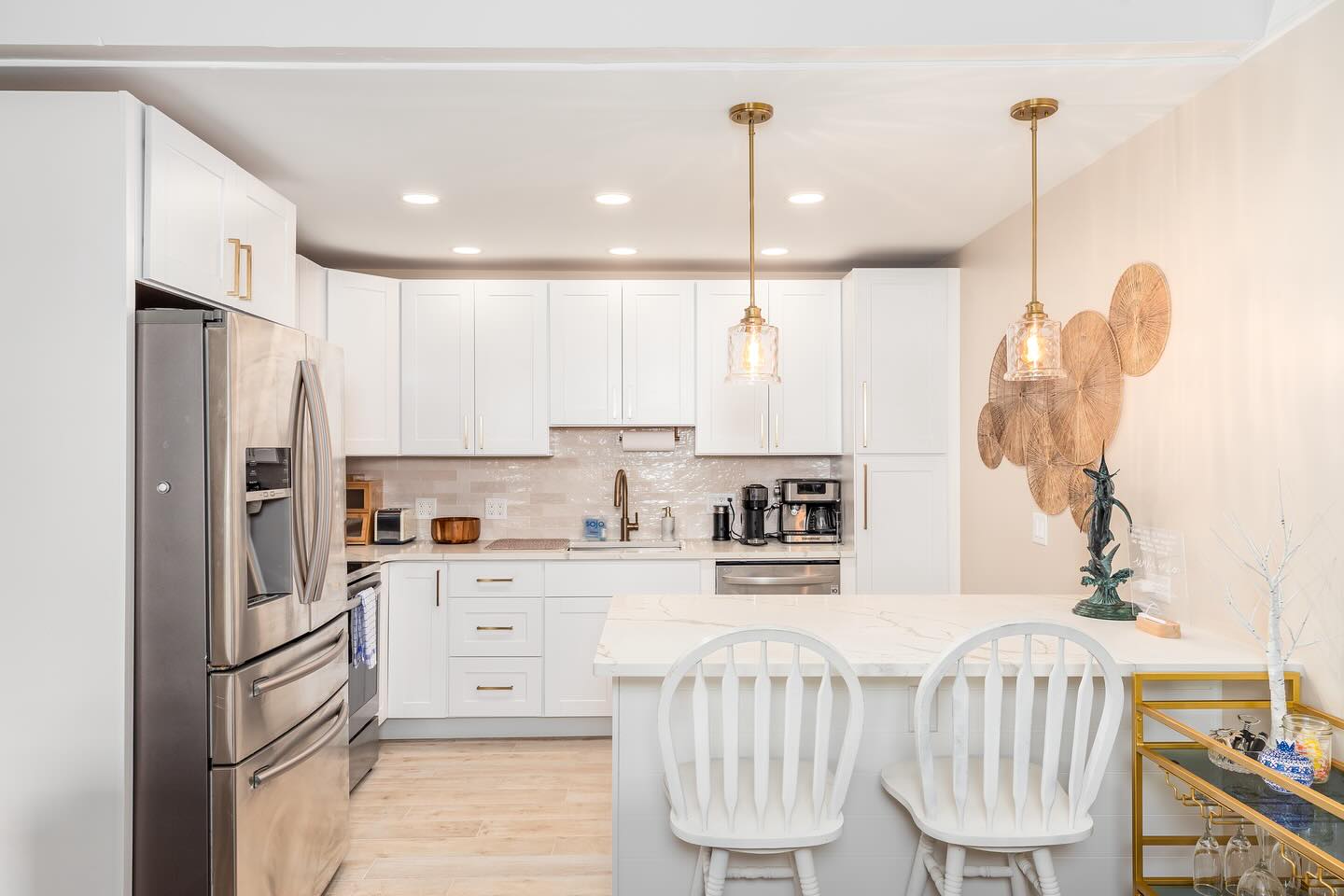
Lighting plays a pivotal role in creating connected spaces. Natural light can significantly enhance a room's ambiance, making it feel larger and more inviting. Installing large windows, skylights, or glass doors can bring in more natural light. When designing room layouts, it's vital to position furniture in a way that maximizes exposure to this light. Complementary artificial lighting, such as recessed lighting or pendant fixtures, can further accentuate these spaces during evening hours, ensuring your connected spaces remain warm and welcoming 24/7.
Choosing complementary materials and color schemes is another effective way to connect spaces visually. A unified design scheme creates consistency and flow, making the transit from one area to another intuitive. Coordinated flooring materials such as hardwood or tile can offer continuity, while a consistent color palette ensures a cohesive aesthetic throughout the home. Texture is also crucial; consider integrating materials such as stone, wood, or fabric to add depth and character, connecting the indoors with outdoor elements.
Furniture arrangement significantly impacts how spaces are perceived and used. Instead of typical, static setups, consider flexible furniture solutions that can adapt to different functions. Modular sofas, movable islands in the kitchen, or foldable tables can be adjusted based on the needs, allowing spaces to evolve with daily activities. This flexibility maximizes functionality without compromising on style or comfort.
Storage solutions are essential to maintaining the uncluttered look integral to connected spaces. Built-in shelving units, under-the-stairs storage, and multi-functional furniture pieces like ottomans with hidden storage can keep everyday essentials out of sight. This not only helps preserve a clean, organized feel but also supports the flow and functionality of open spaces.
Moreover, technology can be integrated into modern living spaces to create a more connected and efficient environment. Smart home systems, from lighting and temperature controls to advanced security features, provide homeowners with greater flexibility and control while enhancing the overall comfort and efficiency of the living space.
In conclusion, designing connected spaces offers a myriad of benefits, from improved flow and interaction to increased functionality and aesthetic appeal. By focusing on seamless transitions, cohesive design schemes, and flexible arrangements, homeowners can create environments that are both modern and livable. Partnering with a knowledgeable construction and remodeling service company can ensure these ideals are expertly executed, giving homeowners the perfect setting for contemporary living. A well-designed home isn't just beautiful—it's a space that adapts to your lifestyle, making everyday living as rewarding as it should be.
/filters:no_upscale()/filters:format(webp)/media/399cd90f-31ef-4908-861b-8dd40e61f0cc.jpg)